Spotlights on Transparent Background
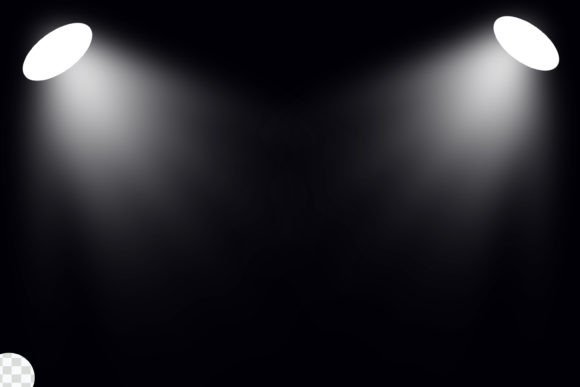
Lighting can make or break a design, and having access to high-quality light effects is essential for creating professional visuals. Spotlights on Transparent Background offers a versatile solution for designers who need to add depth, focus, and atmosphere to their projects without the hassle of complex rendering. Whether you are crafting a social media post, designing a product mockup, or creating a presentation slide, these assets provide an instant way to elevate your work. The ability to layer realistic light beams over any image seamlessly transforms flat compositions into dynamic scenes.
Understanding the Value of Transparent Light Assets
At its core, a spotlight asset is a digital graphic element that simulates a beam of light shining from a specific source. When provided with a transparent background, this element becomes incredibly flexible. You can place it over photographs, illustrations, solid colors, or complex textures, and it will blend naturally because there are no distracting white or black boxes surrounding the light rays. This transparency is the key feature that separates professional-grade resources from basic clip art.
The primary purpose of using Spotlights on Transparent Background is to guide the viewer's eye. In visual storytelling, light acts as a natural director. It highlights the most important part of an image, such as a product, a person, or a call-to-action button. By adding a focused beam, you create a sense of drama and importance that a standard photo might lack. Furthermore, these assets help establish mood. A warm, golden spotlight suggests intimacy and luxury, while a cool, blue beam can evoke mystery or technology. Having these tools at your disposal allows you to control the emotional tone of your design instantly.
Why Professionals and Beginners Rely on These Files
Designers often face the challenge of making static images feel alive. Creating realistic lighting from scratch in software like Adobe Photoshop requires advanced knowledge of layers, blending modes, and masks. For beginners, this learning curve can be steep and time-consuming. That is where fully editable files come into play. Instead of spending hours trying to replicate a light effect, users can simply download a pre-made asset and adjust it to fit their needs.
The availability of these assets in both Photoshop File (.PSD) and Jpg File formats ensures that they cater to a wide range of skill levels. Casual users and hobbyists who may not own expensive editing software can still utilize the JPG versions in simpler tools like Canva, PowerPoint, or free online editors. Meanwhile, professionals and freelancers appreciate the PSD format because it keeps every light ray, gradient, and glow effect on separate layers. This means the file is Fully Editable, allowing experts to tweak the color, opacity, size, and angle of the light to match their project perfectly.
Practical Applications Across Different Industries
The versatility of Spotlights on Transparent Background extends far beyond simple graphic design. Entrepreneurs and small business owners use these effects to showcase products in a way that looks like a professional studio shoot. Imagine a jewelry store owner taking a photo of a necklace against a plain table. By overlaying a soft, focused spotlight, the metal gleams, and the stones sparkle, making the item appear much more valuable. This technique is widely used in e-commerce to increase conversion rates by making products look premium.
Marketers and bloggers also find immense value in these assets when creating content for social media platforms like Instagram or LinkedIn. Attention spans are short, and visually striking posts perform better. Adding a dramatic light beam behind a quote or a new announcement grabs attention immediately. Educators and presenters use similar tactics to highlight key points on slides, ensuring that the audience focuses on the data or text being presented rather than getting lost in a cluttered slide layout.
- Event Promotion: Designers use spotlights to create posters for concerts, theater productions, or conferences, mimicking the stage lighting experience.
- Gaming and UI Design: Developers apply these effects to game interfaces to draw attention to inventory items or achievement notifications.
- Real Estate Marketing: Agents enhance interior photos by adding subtle light accents to highlight architectural features or furniture arrangements.
- Personal Branding: Freelancers incorporate light effects into their portfolio websites to give their personal brand a polished, modern aesthetic.
How to Use Fully Editable Files Effectively
When working with a Photoshop File, the power lies in the layers. Upon opening the file, you will likely see multiple layers grouped together. Some might represent the core beam of light, while others handle the outer glow or the haze. Because the file is Fully Editable, you can change the color of the light to match your brand guidelines. If your company uses a specific shade of teal, you can easily shift the spotlight from yellow to teal without losing the realism of the effect.
For those using the Jpg File, the process is slightly different but equally effective. Since the background is already transparent (assuming the file was saved correctly as a PNG or handled properly in a JPG context), you simply drag and drop the image onto your canvas. You might need to adjust the blending mode in your editor—often setting it to "Screen" or "Overlay"—to ensure the light interacts naturally with the underlying image. This method is perfect for quick edits when you don't have time to open a full Photoshop project.
Key Considerations Before Choosing Your Asset
While Spotlights on Transparent Background resources are powerful, choosing the right one matters. Not all light effects are created equal. High-resolution files are crucial; low-quality images can appear pixelated or blurry when enlarged, ruining the professional look of your design. Always check the resolution before downloading to ensure it meets the requirements of your final output, whether it is for a small mobile screen or a large billboard.
Another factor to consider is the style of the light. Some spotlights are hard and sharp, ideal for industrial or futuristic themes. Others are soft and diffused, better suited for fashion or lifestyle photography. Understanding the context of your project will help you select the most appropriate asset. Additionally, verify the licensing terms. Most commercial assets allow for unlimited use in client projects, but some may have restrictions on resale or redistribution. Reading the license agreement protects you and your clients from potential legal issues down the road.
Finally, remember that less is often more. Overusing light effects can make a design look cluttered or artificial. The goal is to enhance the subject, not distract from it. A single, well-placed spotlight can achieve more impact than three competing beams. By understanding how to manipulate these Fully Editable assets, you gain the ability to craft compelling visuals that communicate clearly and professionally. Whether you are just starting your creative journey or looking to streamline your workflow, incorporating high-quality light effects is a smart investment in your design toolkit.